Contractors Turn Voice and Photos Into Dual Language Estimates
Contractors Turn Voice and Photos Into Dual Language Estimates
A dual language estimate protects both you and your client: capture the scope on the job in the language your client speaks, write up a parallel English and Spanish estimate with locked terminology, and collect a dated, signed acceptance in that same language. This approach follows OSHA guidance on communicating in a language workers and clients understand, and it keeps your paperwork enforceable under rules like New York City’s contract language requirements.
TL;DR:
- Gather site evidence with timestamped photos, rough measurements, and voice notes, then itemize labor, materials, allowances, exclusions, contingencies, and equipment serial numbers.
- Produce a dated PDF with photos and a voice transcript, and attach payment schedules, warranty terms, and any required cancellation form in the negotiated language.
- For every change, log its reason, scope, price, and schedule impact in both languages that day, obtain the client’s initials, and retain dated versions.
- In New York City, a contract negotiated in Spanish is unenforceable if delivered only in English, even with oral translation; required cancellation notices must match.
HechitoTurn Job Notes Into Bilingual EstimatesHechito captures job details through voice and images, helping contractors turn conversations into organized records in English and Spanish.Visit Hechito
Table of Contents
- On-site checklist: what to capture and deliver for every bilingual estimate
- Copy-ready bilingual templates and essential construction phrases
- Field-to-office workflow: voice and photos into a bilingual estimate fast
- How to record change orders and maintain bilingual records that hold up
- Standardize vocabulary: building and using a bilingual glossary for projects
- Delivering the estimate and collecting acceptance
- Why bilingual capture matters more than translation software
- How Hechito helps contractors create bilingual estimates
- FAQ
- Sources
On-site checklist: what to capture and deliver for every bilingual estimate
Every bilingual estimate starts with the same handful of items captured while you’re standing in the space. Miss one and you end up calling the client back, or worse, arguing about scope later.
Get these basics on-site, every time:
- Client name, phone number, and job address, plus a short scope summary spoken back in the client’s language to confirm you both agree on the work.
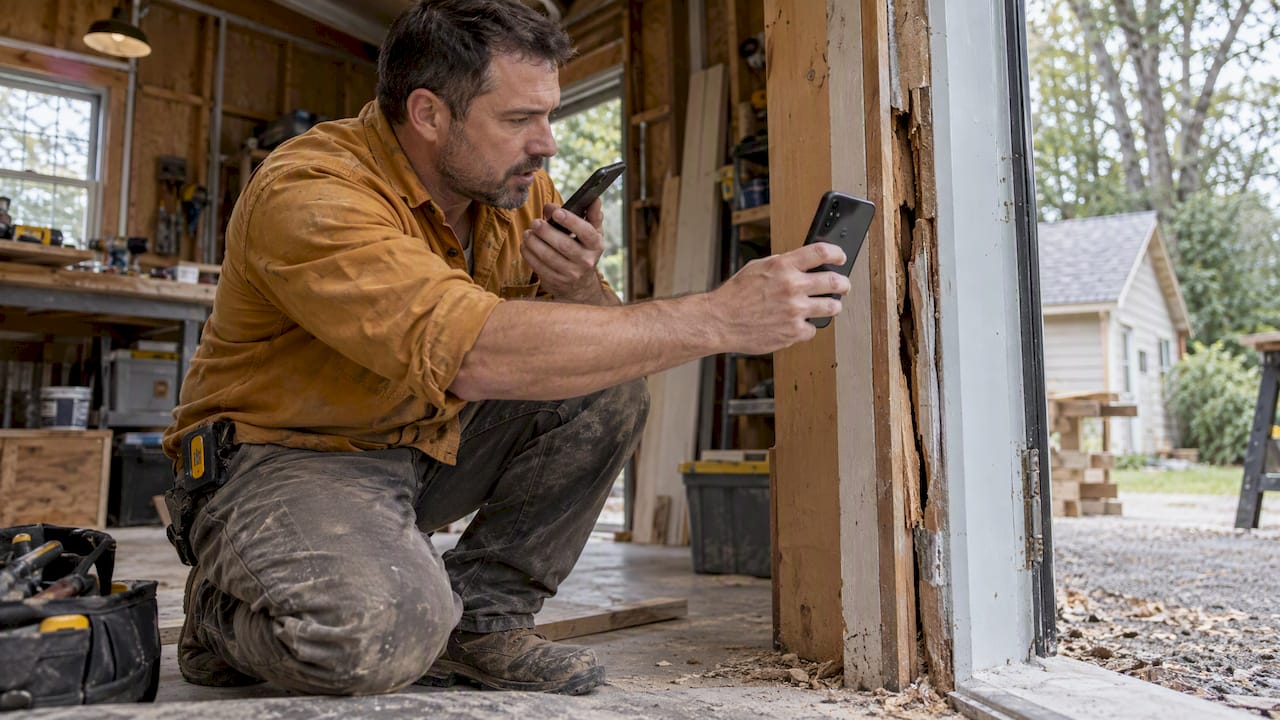
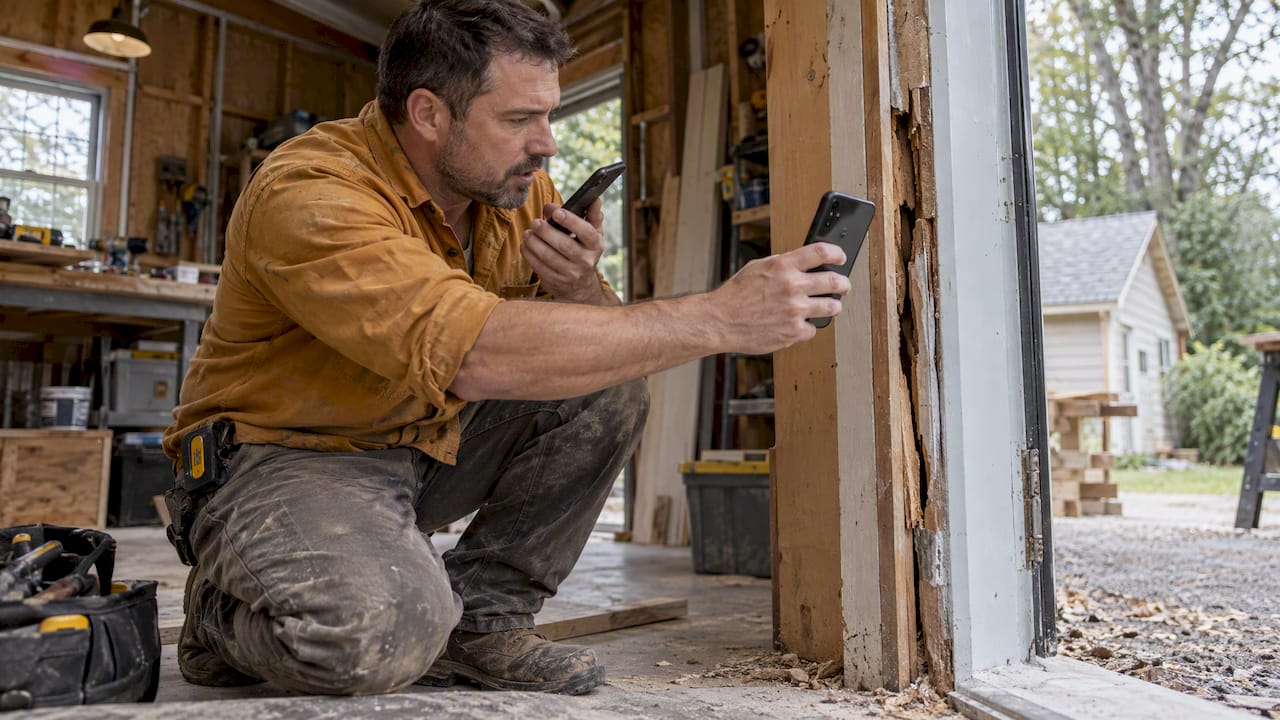
- Timestamped photos of the area, rough measurements, and a short voice note describing what you see.
- Line items for materials, labor hours and rates, unit quantities, allowances, exclusions, and contingencies, with serial numbers noted for any installed equipment.
- Payment schedule, warranty terms, and a cancellation form where required, with a signature line in the language the deal was negotiated in.
Once you have those pieces, the delivery step is simple: produce a dated PDF with English and Spanish side by side or in parallel paragraphs, attach the photos and a transcript of your voice notes, and send the bilingual copy to the client rather than just the English version. That habit can help reduce “I didn’t agree to that” conversations down the road.
Copy-ready bilingual templates and essential construction phrases
Having a few locked templates saves you from retyping the same disclaimers every week, and it keeps your wording consistent from one estimate to the next.
A basic scope summary template reads: “Scope: [area] square feet of [task], excluding [exclusion].” In Spanish: “Alcance: [área] pies cuadrados de [tarea], sin incluir [exclusión].” Keep the brackets as fill-in fields, not placeholders you leave blank.
Standard lines worth locking into every template:
- Exclusion line: “This estimate does not include permit fees.” / “Este presupuesto no incluye los costos de permisos.”
- Allowance line: “Tile allowance: [amount] per square foot, upgrades billed separately.” / “Presupuesto para baldosas: [importe] por pie cuadrado, las mejoras se facturan por separado.”
- Change order notice: “Any change to this scope requires written approval and a signed change order before work begins.” / “Cualquier cambio en este alcance requiere aprobación por escrito y una orden de cambio firmada antes de comenzar el trabajo.”
OSHA maintains English-Spanish construction dictionaries to help employers find Spanish-language safety and training resources, including dictionaries for construction terms.
Field-to-office workflow: voice and photos into a bilingual estimate fast
The workflow that keeps bilingual estimates fast and accurate follows four steps, each one building on the last.
- Confirm the client’s language out loud and record a short voice note in that language describing the scope as you both understand it.
- Photograph every affected area with a short caption, always including a measurement or reference point, and tag each photo as scope, exclusion, or material.
- Back at the office, sort the captured items into your line-item template, keep all numbers numeric rather than spelled out, and drop in the locked translations from your project glossary.
- Assemble a side-by-side PDF or parallel-paragraph estimate, attach the voice transcript and photos, and send it for signature.
Pro Tip: Record the voice note before you leave the site, not after; details you think you’ll remember rarely survive the drive back.
This kind of capture can be useful alongside notes, since you’re documenting in real time instead of reconstructing the job from memory. If you want a closer look at how photo documentation standards apply to construction specifically, our piece on construction photo documentation covers the field rules worth following.
How to record change orders and maintain bilingual records that hold up
Change orders are where bilingual paperwork tends to fall apart, mostly because small changes get agreed to verbally and never written down in either language.
Construction management guidance points to a lack of standardized change documentation as a leading cause of communication failures on jobs, bilingual or not. The fix is to treat every change the same way you treat the original estimate:
- Log the reason for the change, the scope delta, the price delta, and the time effect, in both languages, the same day it happens.
- Have the client initial or sign each change order when possible, rather than relying on a text message or a verbal okay.
- Store every version with a date and a signature, so nobody has to guess which copy is current.
A shared, versioned change log keeps both sides working from the same facts. We cover the mechanics of avoiding scope confusion in more detail in our post on estimate versus quote disputes, which applies directly to change orders written in two languages.
Standardize vocabulary: building and using a bilingual glossary for projects
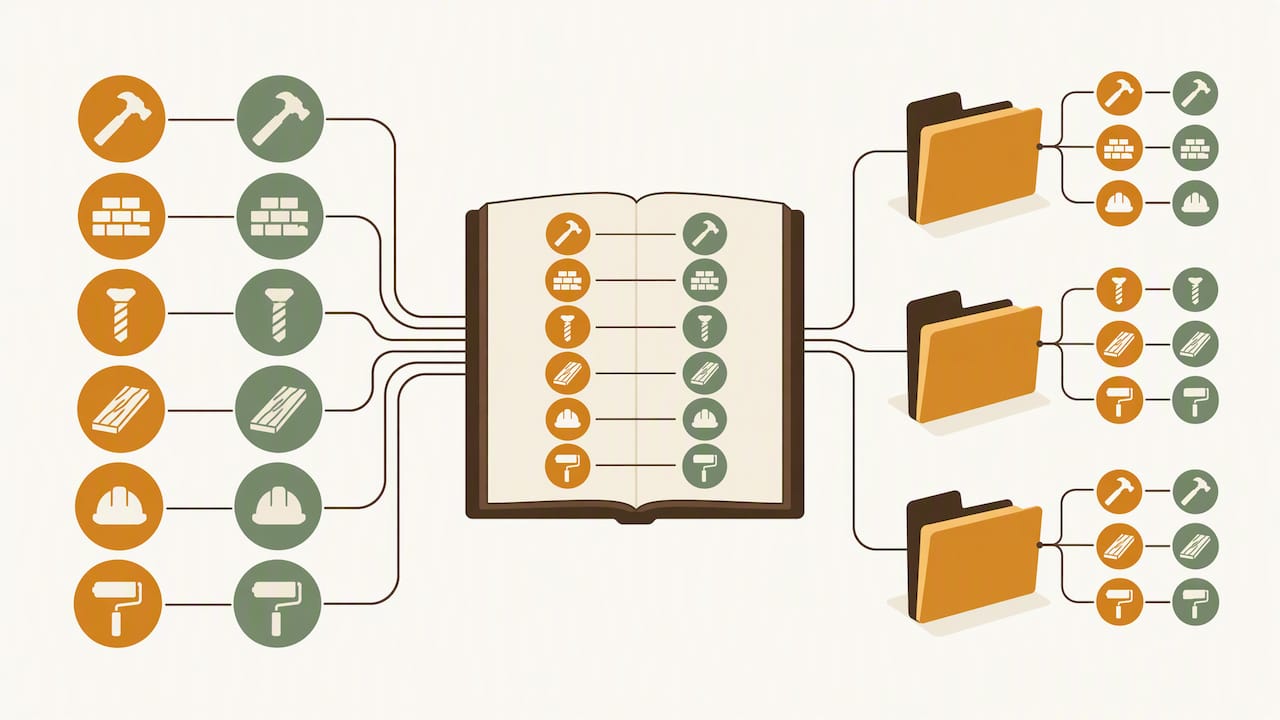
Inconsistent terminology between your English and Spanish versions can create a dispute nobody intended. A client who signed off on “exclusiones” in one document and sees “no incluido” in another may reasonably wonder if the terms changed.
OSHA’s Spanish-language glossaries for construction terms are a solid starting point for locking down words like “allowance,” “warranty,” and “scope of work” before you ever write your first estimate.
- Build a project master glossary early and lock the translation for every recurring term, especially exclusions and warranties.
- Decide who can approve a new or changed glossary term, since one person editing wording without review is how inconsistencies creep back in.
- Distribute glossary updates to your crew and to the client’s point of contact at the same time, so everyone is working from the same wording.
Pro Tip: Keep the glossary concise and easy to use; a glossary nobody opens does nothing for consistency.
Delivering the estimate and collecting acceptance
A bilingual estimate can help document the agreement, but whether it is enforceable depends on the applicable requirements.
- Deliver a dated bilingual estimate and keep both-language copies in the job record, not just the version the client happened to sign.
- Collect signed acceptance in the language the deal was negotiated in, since NYC consumer guidance treats a contract negotiated in Spanish but delivered only in English as unenforceable, oral translation included.
- Include any required cancellation notice or local disclosure in that same language, and keep proof the client received it.
That proof of delivery, a scanned signed copy sitting in the job folder, is what protects you if a disagreement ever reaches a small claims court or a licensing board.
Why bilingual capture matters more than translation software
Most of the friction I’ve seen on bilingual jobs doesn’t come from the language itself. It comes from writing the estimate once, then translating it later as an afterthought, which is where terms drift and exclusions get dropped. Capturing scope on-site through voice and photos, in the language the client actually speaks, cuts that gap out entirely. Structured bilingual capture at the source can help create a clear record and avoid relying only on translating a finished English document. Try it on one job and compare the time against your usual process of writing, then translating, then double-checking.
— Francisco
How Hechito helps contractors create bilingual estimates
We built our platform around exactly this problem: turning what you say and photograph on the job into a finished, bilingual estimate without an extra round of typing or translating at night.
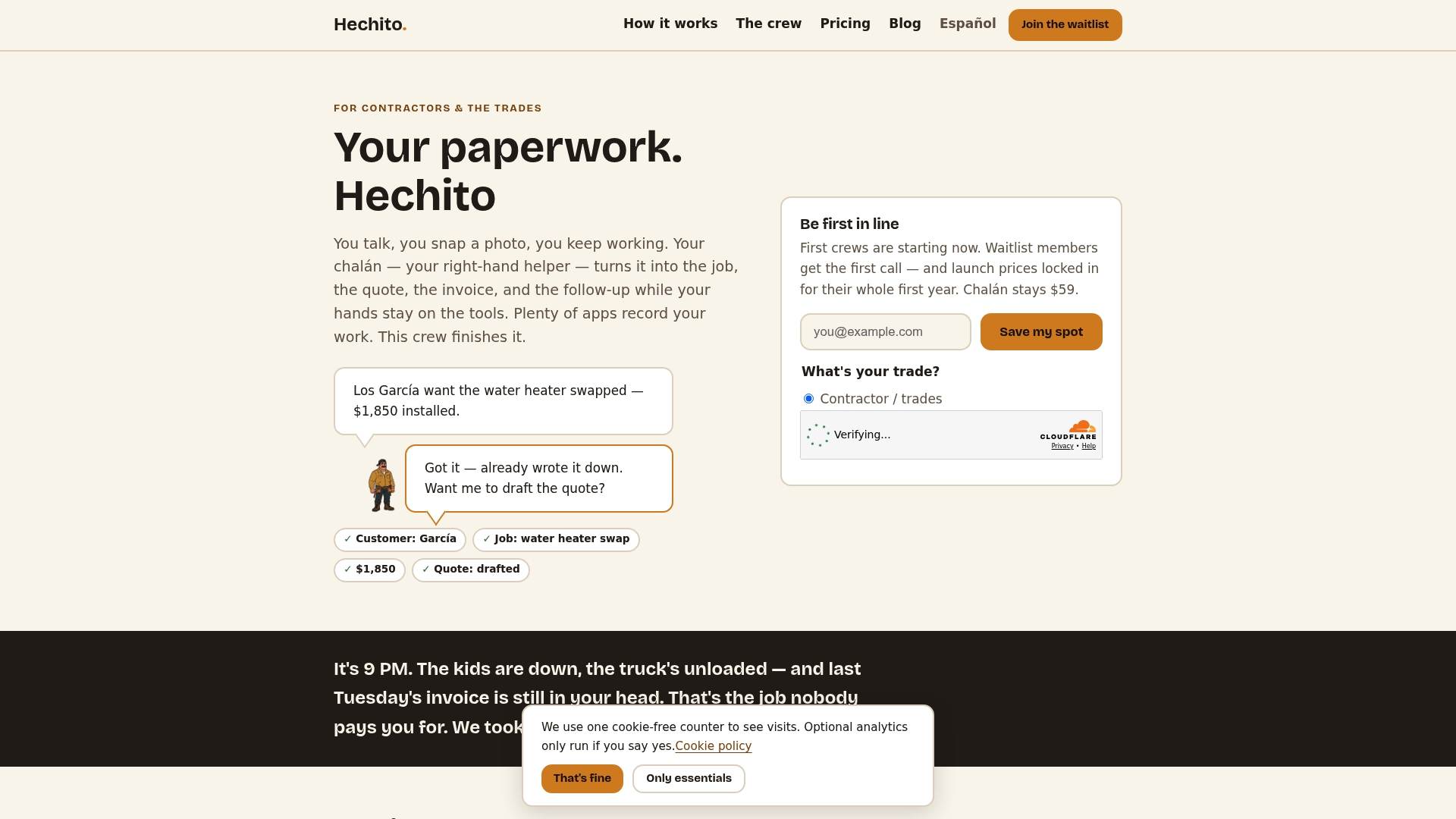
- Voice capture that works in English or Spanish as you talk through scope on-site.
- Photo capture for job records.
- Bilingual output that generates clean English and Spanish documents from the same job record.
- Job-linked records that organize photos and voice notes.
Our contractor product page walks through how the capture-to-document flow works, and our Chalán plan is built specifically for voice quotes and invoices from the field. Check pricing or book a demo to see how it fits your next job.
FAQ
What is a dual language estimate in construction?
A dual language estimate is a written quote presented in two languages, usually English and Spanish, with the same scope, pricing, and terms in each. It lets both the contractor and the client sign off on identical information in the language they understand.
Do I legally have to provide a Spanish estimate?
There is no universal federal requirement for bilingual paperwork, but some jurisdictions require it. NYC guidance specifically states that a contract negotiated in a language other than English must be provided in that language to be enforceable, cancellation notice included.
What does OSHA say about language on the jobsite?
OSHA requires training and essential job instructions to be presented in a way workers understand, and recommends providing critical job records in that same language rather than relying on informal translation.
How do I keep bilingual terms consistent across estimates?
Build a project glossary that locks the translation for recurring terms like exclusions, allowances, and warranties, and route any changes through one approver before they reach the crew or the client.
How should I handle a change order on a bilingual job?
Log the reason, scope change, price change, and time impact in both languages the same day the change happens, and get the client’s initials or signature on it. Keep every version dated so the current terms are never in dispute.
Sources
Recommended
This is the paperwork Hechito does for you — while you talk.